Anger is one of the strongest emotions we experience, and language gives us the power to express it with clarity and beauty. Similes help us paint emotions in vivid colors, turning simple sentences into powerful images.
When we compare anger to something fierce in nature—like a storm, a wildfire, or even a towering tree bent by violent winds—we make our words come alive. Trees, in particular, are powerful symbols of strength, growth, resilience, wisdom, and human emotion. They stand tall through storms, much like people endure emotional struggles.
Just as roots hold a tree steady, emotions anchor our human experience. By using powerful angry similes, writers can express intensity without losing control of their tone. In this article, you’ll discover how similes strengthen figurative language and learn original comparisons that bring anger vividly to life.
What Is a Simile?
A simile is a figure of speech that compares two different things using the words “like” or “as.” It helps readers understand emotions, actions, or ideas by linking them to something familiar.
Example:
Her anger burned like a wildfire racing through dry forest.
This comparison helps the reader instantly imagine speed, destruction, and uncontrollable force. That is the power of similes in literature and creative writing.
1. Angry like a storm breaking over the sea
Meaning:
This simile describes sudden, overwhelming anger that arrives with force and intensity.
Usage Insight:
It works best in dramatic scenes, emotional confrontations, or storytelling moments where tension rises quickly.
Examples:
- He burst into the room, angry like a storm breaking over the sea.
- Her voice rose, angry like a storm crashing against helpless waves.
2. Furious like a wildfire in dry grass
Meaning:
This simile suggests anger that spreads rapidly and uncontrollably.
Usage Insight:
Ideal for describing escalating conflict or explosive emotional reactions.
Examples:
- His temper flared, furious like a wildfire in dry grass.
- Rumors spread through the town, furious like fire consuming brittle leaves.
3. Angry like thunder shaking the mountains
Meaning:
This comparison expresses powerful, loud, commanding anger.
Usage Insight:
Effective for authority figures, leaders, or moments of dramatic confrontation.
Examples:
- The coach’s voice boomed, angry like thunder shaking the mountains.
- She spoke with force, angry like thunder rolling across the valley.
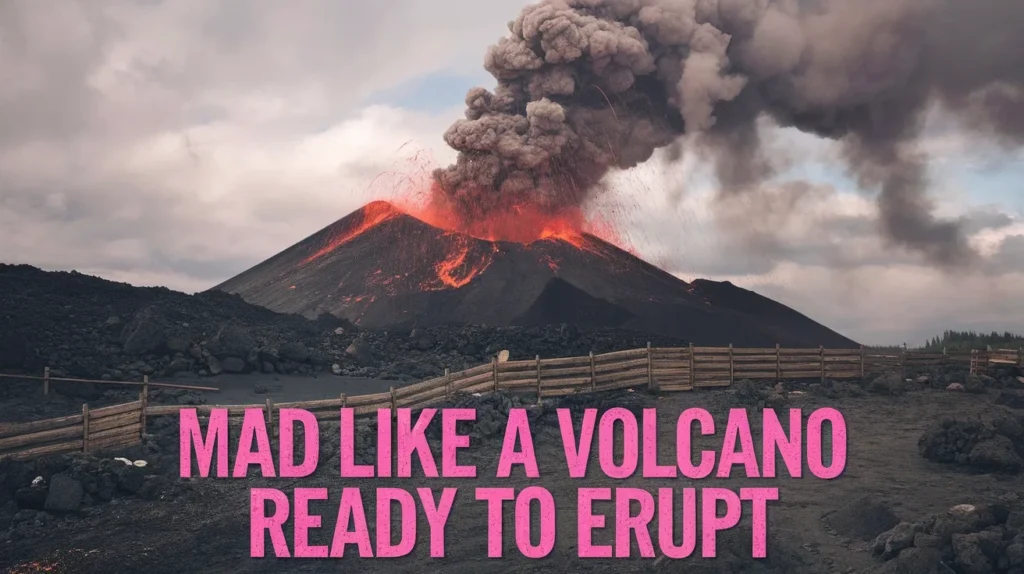
4. Mad like a volcano ready to erupt
Meaning:
This simile reflects suppressed anger building beneath the surface.
Usage Insight:
Perfect for describing quiet tension that eventually explodes.
Examples:
- He sat silently, mad like a volcano ready to erupt.
- Her clenched fists revealed she was mad like molten lava beneath stone.
5. Angry like waves crashing against rocks
Meaning:
This suggests repeated bursts of frustration or emotional impact.
Usage Insight:
Best used when describing ongoing arguments or persistent irritation.
Examples:
- His words struck her, angry like waves crashing against rocks.
- The crowd roared, angry like tides slamming into cliffs.
6. Furious like a lion defending its pride
Meaning:
This simile conveys protective and instinctive anger.
Usage Insight:
Works well when someone is defending loved ones or standing up for themselves.
Examples:
- She stepped forward, furious like a lion defending its pride.
- He reacted fiercely, furious like a wild guardian protecting its young.
7. Angry like wind bending a stubborn tree
Meaning:
This comparison blends emotion with resilience, showing force meeting strength.
Usage Insight:
Useful in poetic or reflective writing where emotions meet endurance.
Examples:
- His rage pushed forward, angry like wind bending a stubborn tree.
- She stood her ground, angry like a storm testing ancient roots.
8. Mad like lightning striking dry earth
Meaning:
This simile suggests sudden and sharp anger.
Usage Insight:
Great for moments of unexpected emotional reaction.
Examples:
- He snapped, mad like lightning striking dry earth.
- Her reply came fast, mad like a bolt tearing through the sky.
9. Angry like boiling water spilling over

Meaning:
This describes anger that builds until it overflows.
Usage Insight:
Best for showing frustration that has reached its limit.
Examples:
- His patience vanished, angry like boiling water spilling over the pot.
- She shouted, angry like steam bursting from heated metal.
10. Furious like a caged tiger pacing
Meaning:
This simile captures contained but restless anger.
Usage Insight:
Ideal for describing tension before confrontation.
Examples:
- He waited, furious like a caged tiger pacing behind bars.
- She moved across the room, furious like trapped energy searching for release.
11. Angry like a forest caught in a tempest
Meaning:
This comparison conveys chaotic and overwhelming emotion.
Usage Insight:
Useful in descriptive narratives with strong imagery.
Examples:
- His thoughts churned, angry like a forest caught in a violent tempest.
- The argument grew wild, angry like branches snapping in fierce winds.
12. Mad like a river flooding its banks
Meaning:
This simile describes anger that overflows control.
Usage Insight:
Effective for emotional breakdowns or dramatic storytelling.
Examples:
- She cried out, mad like a river flooding its banks.
- His frustration surged, mad like waters rising beyond restraint.
13. Angry like fire beneath cold ashes
Meaning:
This expresses hidden anger that still burns inside.
Usage Insight:
Perfect for subtle tension and restrained emotion.
Examples:
- He appeared calm, but inside he was angry like fire beneath cold ashes.
- Her smile faded, revealing anger glowing beneath silence.
14. Furious like a hawk diving for prey
Meaning:
This simile suggests focused, sharp, and intentional anger.
Usage Insight:
Best for precise and targeted confrontation.
Examples:
- She answered sharply, furious like a hawk diving for prey.
- His accusation landed, furious like talons gripping tightly.
15. Angry like roots tearing through stone

Meaning:
This comparison highlights powerful, unstoppable anger mixed with resilience.
Usage Insight:
Excellent for symbolic or literary writing connecting emotion to strength.
Examples:
- His determination rose, angry like roots tearing through stone.
- She spoke firmly, angry like deep roots breaking through hard ground.
How to Use Similes Effectively in Writing
Using powerful angry similes can elevate poems, stories, essays, songs, and descriptive passages. Here are practical tips to improve your figurative language:
1. Match Emotion with Context
Choose comparisons that fit the tone of your scene. A wildfire simile suits intense drama, while boiling water works for daily frustration.
2. Avoid Overuse
Too many similes weaken impact. Use them strategically where emotion peaks.
3. Use Nature Similes for Depth
Nature similes—storms, rivers, trees, fire—add universal imagery that readers instantly understand.
4. Keep Comparisons Clear
The best figurative language examples are simple and vivid. Avoid confusing or overly complex imagery.
5. Vary Your Comparisons
Don’t repeat similar ideas. Explore animals, weather, landscapes, and human experiences for diversity.
When used wisely, similes in literature create emotional depth and clarity without overwhelming readers.
FAQs
1. What are powerful angry similes?
Powerful angry similes are comparisons that describe anger using “like” or “as,” often drawing from nature, animals, or intense imagery to create strong emotional impact.
2. What is the difference between a simile and a metaphor?
A simile uses “like” or “as” to compare two things, while a metaphor directly states that one thing is another without those words.
3. Why are similes important in figurative language?
Similes make writing vivid and relatable. They help readers visualize emotions and experiences more clearly.
4. Can similes be used in academic writing?
Yes, but sparingly. In essays, similes can clarify complex ideas, though formal writing usually limits emotional comparisons.
5. How do nature similes strengthen emotional writing?
Nature provides powerful imagery—storms, rivers, trees—that naturally symbolize strength, change, and emotion, making comparisons feel meaningful and universal.
Conclusion
Powerful angry similes transform ordinary descriptions into unforgettable imagery. They help writers express frustration, fury, and emotional intensity in ways readers can instantly feel and understand. By connecting anger to storms, fire, rivers, lions, and resilient trees, your writing gains depth and symbolic strength. These comparisons bring clarity, color, and emotional weight to poems, stories, essays, and creative descriptions. When used thoughtfully, similes sharpen your voice and deepen your storytelling. Mastering them allows you to control tone while delivering impact. With practice, your figurative language will grow as strong and enduring as roots breaking through stone.
