
Music has a magical way of touching our hearts, just like sunshine warming the earth after a long winter. When we try to describe that feeling, simple words often are not enough. That is where similes come in. Similes help us compare one thing to another using “like” or “as,” making our writing more vivid and alive.
They are powerful tools in figurative language because they paint clear pictures in the reader’s mind. Just as trees stand tall through storms, symbolizing strength, growth, resilience, wisdom, and deep human emotion, similes help our words grow strong roots and wide branches. Trees remind us that expression can be both gentle and powerful at the same time. In the same way, beautiful similes for music help us describe melodies that feel too big for ordinary language. When we use comparisons wisely, our writing begins to sing.
What Is a Simile?
A simile is a figure of speech that compares two different things using the words like or as to create a vivid image.
Example: Her voice flowed like a river at dawn.
This comparison helps the reader imagine smoothness, calmness, and gentle beauty without needing a long explanation.
1. Music Like a Gentle Breeze Through Summer Leaves
Meaning:
This simile suggests softness, calmness, and a soothing emotional effect.
Usage Insight:
Use this when describing peaceful instrumental music, acoustic songs, or calming background melodies.
Examples:
- The piano melody drifted like a gentle breeze through summer leaves.
- Her lullaby wrapped around the room like a gentle breeze at sunset.
2. Music Like Rain Falling on a Quiet Forest
Meaning:
It conveys freshness, emotional cleansing, and quiet reflection.
Usage Insight:
Perfect for emotional ballads or songs that bring comfort during difficult times.
Examples:
- The violin notes fell like rain on a quiet forest.
- His song touched my heart like soft rain after a long drought.
3. Music Like Stars Scattered Across the Night Sky
Meaning:
This simile suggests brilliance, beauty, and a sense of wonder.
Usage Insight:
Ideal for describing sparkling high notes or magical orchestral moments.
Examples:
- The choir’s harmony shimmered like stars scattered across the night sky.
- Each note sparkled like a distant star in the darkness.
4. Music Like a River Carving Through Stone

Meaning:
It represents power, persistence, and emotional depth.
Usage Insight:
Use this when describing music that builds gradually and leaves a lasting impact.
Examples:
- The symphony surged like a river carving through stone.
- His voice carried strength like water shaping mountains.
5. Music Like Firelight on a Winter Night
Meaning:
This comparison suggests warmth, comfort, and intimacy.
Usage Insight:
Perfect for acoustic performances or nostalgic songs.
Examples:
- The guitar chords glowed like firelight on a winter night.
- Her melody felt like warmth beside a quiet fireplace.
6. Music Like Birds Singing at Sunrise
Meaning:
It symbolizes hope, renewal, and fresh beginnings.
Usage Insight:
Best for uplifting or inspirational songs.
Examples:
- The opening notes rose like birds singing at sunrise.
- His tune brought hope like morning songs in spring.
7. Music Like Ocean Waves Rolling to Shore
Meaning:
This simile expresses rhythm, repetition, and emotional movement.
Usage Insight:
Ideal for describing steady beats or flowing compositions.
Examples:
- The rhythm moved like ocean waves rolling to shore.
- The chorus returned like tides guided by the moon.
8. Music Like Thunder Breaking the Silence
Meaning:
It conveys intensity, surprise, and dramatic impact.
Usage Insight:
Use this for powerful rock songs or sudden musical climaxes.
Examples:
- The drums exploded like thunder breaking the silence.
- Her high note struck like lightning across the sky.
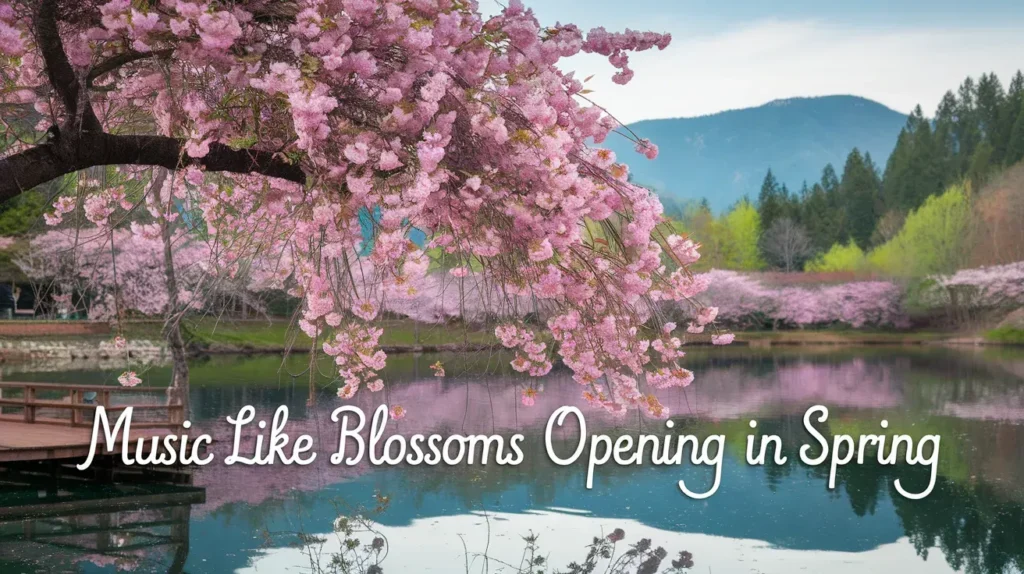
9. Music Like Blossoms Opening in Spring
Meaning:
Suggests beauty, growth, and gentle unfolding.
Usage Insight:
Great for describing melodies that slowly develop.
Examples:
- The harmony unfolded like blossoms opening in spring.
- Each verse bloomed with color and light.
10. Music Like Wind Dancing Through Tall Grass
Meaning:
This reflects freedom, movement, and natural rhythm.
Usage Insight:
Perfect for folk or instrumental pieces with fluid motion.
Examples:
- The flute floated like wind dancing through tall grass.
- The melody swayed with effortless grace.
11. Music Like Sunlight Breaking Through Clouds
Meaning:
It represents hope after sadness.
Usage Insight:
Use for songs about healing or overcoming hardship.
Examples:
- The chorus shone like sunlight breaking through clouds.
- Her voice brightened the room like dawn after rain.
12. Music Like Footsteps Echoing in a Cathedral
Meaning:
This simile conveys depth, reverence, and grandeur.
Usage Insight:
Ideal for classical or choral music.
Examples:
- The organ resonated like footsteps echoing in a cathedral.
- Each note lingered in the air with sacred weight.
13. Music Like Butter Melting on Warm Bread
Meaning:
It suggests smoothness and effortless flow.
Usage Insight:
Best for silky vocals or smooth jazz.
Examples:
- His voice slid like butter melting on warm bread.
- The saxophone tone flowed without a single rough edge.
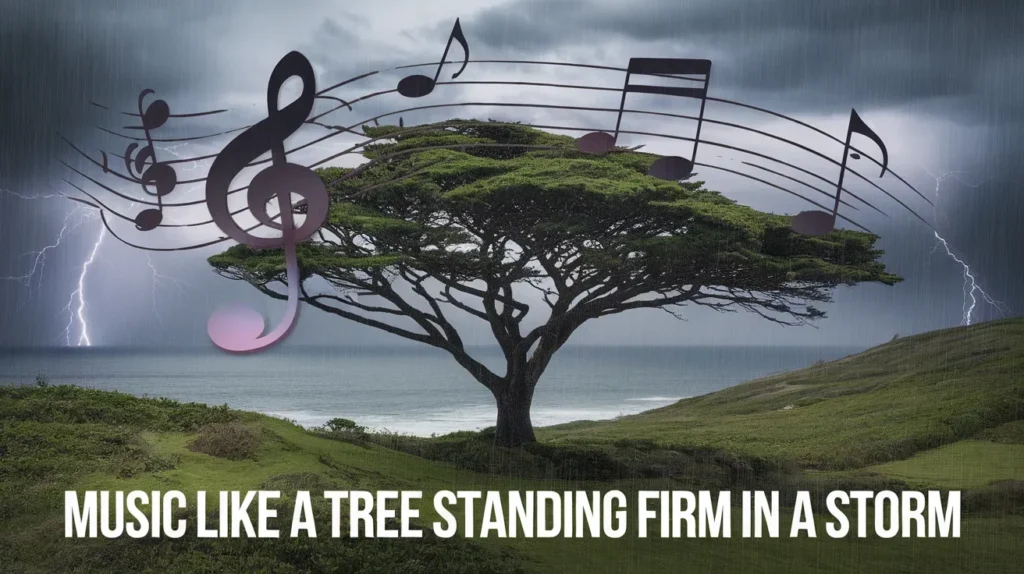
14. Music Like A Tree Standing Firm in a Storm
Meaning:
This comparison highlights strength, resilience, and emotional grounding.
Usage Insight:
Use this when describing empowering songs or anthems.
Examples:
- The anthem stood like a tree firm in a storm.
- Her lyrics carried steady courage through every verse.
15. Music Like A Whisper Shared Between Old Friends
Meaning:
It reflects intimacy, closeness, and sincerity.
Usage Insight:
Ideal for heartfelt acoustic or love songs.
Examples:
- The melody felt like a whisper shared between old friends.
- His soft singing carried secrets only the heart could hear.
How to Use Similes Effectively in Writing
Using beautiful similes for music can transform ordinary sentences into powerful expressions. Here are practical tips:
- Be specific. Choose comparisons that match the mood of the music.
- Avoid clichés. Fresh imagery keeps writing engaging.
- Match tone and theme. A dramatic song needs strong imagery; a soft tune needs gentle comparisons.
- Use in moderation. Too many similes can overwhelm the reader.
- Blend with emotion. The best figurative language examples connect imagery with feeling.
FAQs
1. What are beautiful similes for music?
They are creative comparisons using “like” or “as” to describe music’s sound, emotion, or impact in vivid ways.
2. What is the difference between a simile and a metaphor?
A simile uses “like” or “as” to compare two things. A metaphor directly states that one thing is another.
3. Why are similes important in figurative language?
Similes make writing clearer, more imaginative, and emotionally engaging.
4. Can similes be used in academic writing?
Yes, but they should be used carefully to clarify ideas rather than decorate unnecessarily.
5. How do similes improve creative writing?
They help readers see, hear, and feel the experience more deeply through comparisons.
Conclusion
Beautiful similes for music help language breathe, shimmer, and resonate with emotion. They turn ordinary descriptions into vivid images filled with life and feeling. Like strong trees rooted deep in the earth, similes give your writing stability and growth. They allow readers to see sound, feel rhythm, and connect with emotion on a deeper level. Whether you are writing poetry, stories, essays, or lyrics, thoughtful comparisons bring clarity and beauty to your words. When you choose the right simile, your sentences do more than describe — they sing.
