

Time is one of the most powerful and mysterious concepts in our lives, yet it can be difficult to describe with simple words. This is where similes become incredibly useful. Similes are a form of figurative language that compare two different things using words like “as” or “like,” helping readers understand ideas more clearly.
They bring color, emotion, and depth into writing, turning ordinary sentences into vivid expressions. Writers often use similes to describe abstract ideas like time because comparisons make them easier to imagine. Nature plays a big role in these comparisons, especially trees, which symbolize strength, growth, resilience, wisdom, and the passage of time.
Just like a tree grows slowly and steadily through seasons, time moves forward in a constant, unstoppable way. By connecting time to natural elements, we can better express its speed, beauty, and meaning. In this article, you will explore the best similes for time to enhance your writing and creativity.
What Is a Simile?
A simile is a figure of speech that compares two different things using the words “like” or “as” to highlight a shared quality.
Example:
Time passed as quickly as a shooting star.
This simile helps the reader understand how fast time moved by comparing it to something brief and fleeting.
15 Best Similes for Time
Below are unique and expressive similes that capture different aspects of time.
As Fast as Lightning
Meaning:
Time passing very quickly.
Usage Insight:
Perfect for moments that feel short or rushed.
Examples:
- The vacation ended as fast as lightning.
- Time flew by as fast as lightning during the party.
As Slow as a Crawling Snail
Meaning:
Time moving very slowly.
Usage Insight:
Ideal for boring or waiting situations.
Examples:
- The lecture felt as slow as a crawling snail.
- Time moved as slow as a snail during the long wait.
Like Sand Slipping Through Fingers
Meaning:
Time passing without control.
Usage Insight:
Great for emotional or reflective writing.
Examples:
- The years felt like sand slipping through his fingers.
- Time escaped like grains of sand in the wind.
As Endless as the Ocean Horizon
Meaning:
Time feeling infinite.
Usage Insight:
Perfect for philosophical or poetic writing.
Examples:
- The night felt as endless as the ocean horizon.
- Her thoughts stretched as endless as time itself.
As Precious as a Golden Hour
Meaning:
Time being valuable.
Usage Insight:
Ideal for meaningful or emotional moments.
Examples:
- Their time together was as precious as a golden hour.
- Every second felt as valuable as gold.
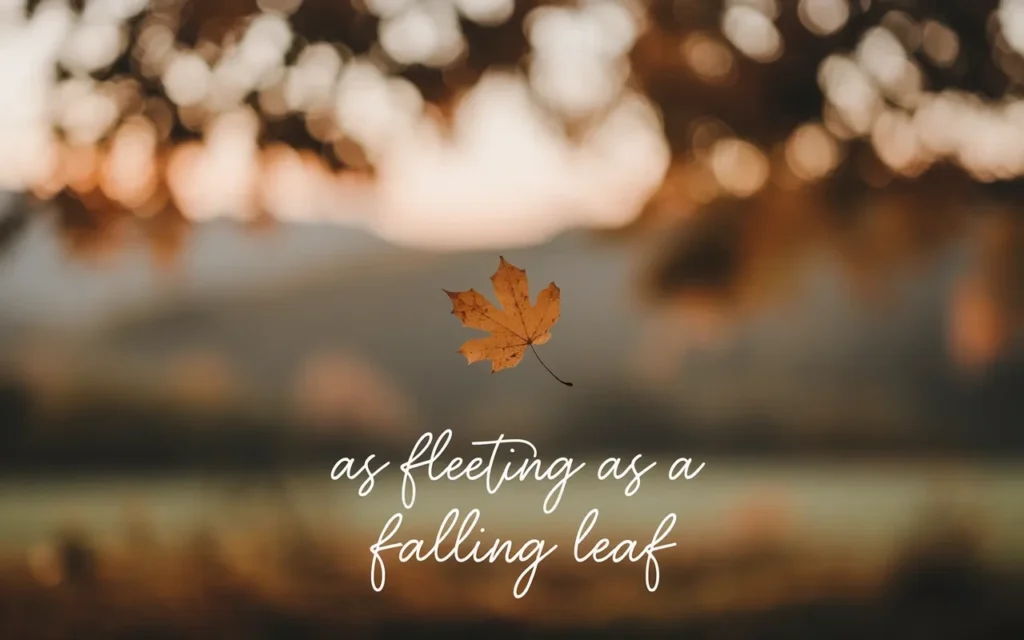
As Fleeting as a Falling Leaf
Meaning:
Time passing quickly and gently.
Usage Insight:
Best for poetic descriptions.
Examples:
- The moment passed as fleeting as a falling leaf.
- Time drifted away like leaves in autumn.
As Constant as the Rising Sun
Meaning:
Time moving steadily and reliably.
Usage Insight:
Great for describing routine or certainty.
Examples:
- Days passed as constant as the rising sun.
- Time moved forward as steady as sunrise.
Like a River That Never Stops
Meaning:
Continuous and unstoppable time.
Usage Insight:
Ideal for deep and reflective writing.
Examples:
- Time flowed like a river that never stops.
- Life moved forward like an endless stream.
As Brief as a Flash of Light
Meaning:
Very short time.
Usage Insight:
Perfect for sudden or quick events.
Examples:
- The moment was as brief as a flash of light.
- Time disappeared in a blink.
As Heavy as Passing Years
Meaning:
Time feeling burdensome.
Usage Insight:
Useful for emotional or serious writing.
Examples:
- The years felt as heavy as stones on his heart.
- Time weighed on her as heavy as regret.
As Light as a Summer Breeze
Meaning:
Time passing easily and pleasantly.
Usage Insight:
Ideal for happy or relaxing moments.
Examples:
- The afternoon passed as light as a summer breeze.
- Time felt effortless and gentle.
Like a Clock Ticking in Silence
Meaning:
Quiet but constant passage of time.
Usage Insight:
Great for suspense or tension.
Examples:
- Time moved like a clock ticking in silence.
- Each second echoed quietly in the room.
As Unstoppable as the Tides
Meaning:
Time cannot be stopped.
Usage Insight:
Perfect for philosophical reflections.
Examples:
- Time moved as unstoppable as the tides.
- Nothing could hold back the passing days.
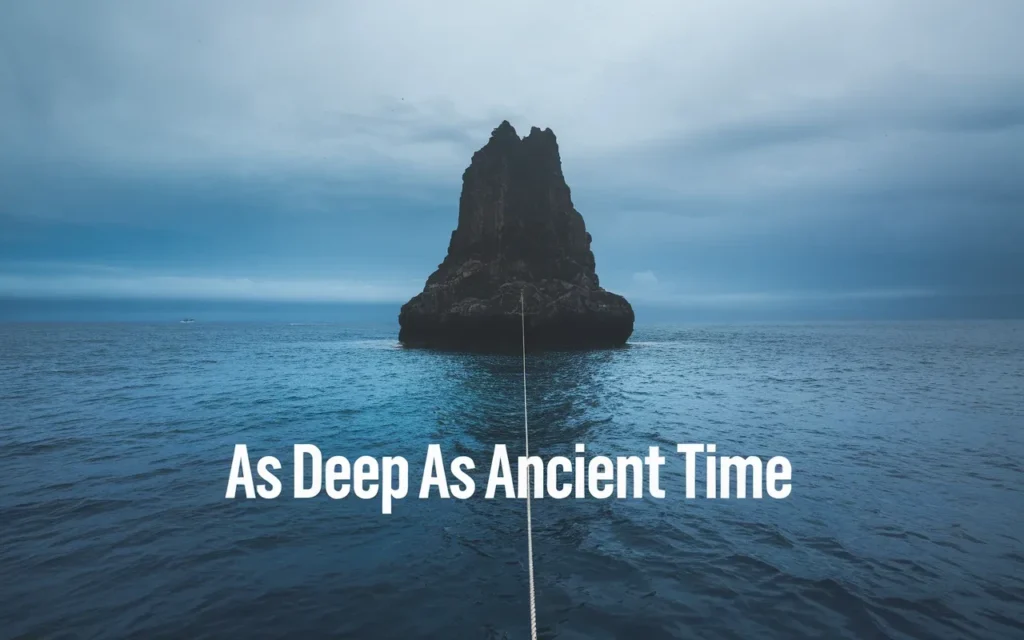
As Deep as Ancient Time
Meaning:
Time having great depth and history.
Usage Insight:
Ideal for historical or reflective writing.
Examples:
- The story felt as deep as ancient time.
- His memories stretched far into the past.
As Gentle as Evening Shadows
Meaning:
Time passing softly and quietly.
Usage Insight:
Best for calm and peaceful scenes.
Examples:
- The evening passed as gentle as fading shadows.
- Time moved quietly into the night.
How to Use Similes Effectively in Writing
Similes can make your writing more engaging and powerful when used correctly. Here are some helpful tips:
1. Keep Comparisons Simple
Use familiar images so readers can easily understand your meaning.
2. Match the Mood
Choose similes that fit the tone of your writing—happy, sad, calm, or intense.
3. Avoid Overuse
Too many similes can make writing confusing. Use them where they add value.
4. Use Nature for Inspiration
Nature provides endless ideas for creative and meaningful comparisons.
5. Be Original
Try to create fresh and unique similes instead of repeating common ones.
Similes are especially useful in poems, stories, essays, and songs because they make writing more vivid and memorable.
FAQs
What are the best similes for time?
They are creative comparisons that describe how time moves, feels, or affects life, such as “as fast as lightning” or “like a flowing river.”
What is the difference between similes and metaphors?
Similes use “like” or “as,” while metaphors make direct comparisons without those words.
Why are similes important in writing?
They improve clarity, add imagery, and make descriptions more engaging.
Can similes be used in academic writing?
Yes, but they should be used carefully to maintain a formal tone.
How can I create my own similes?
Think of a quality (speed, value, softness) and compare it with something familiar that shares the same trait.
Conclusion
The best similes for time help transform an abstract concept into something vivid, relatable, and emotionally powerful. By comparing time to elements of nature, movement, and everyday experiences, writers can express its speed, value, and meaning in creative ways. Similes add depth, clarity, and beauty to language, making writing more engaging and memorable. Whether you are crafting a poem, telling a story, or writing an essay, these comparisons can elevate your work and connect with readers on a deeper level. With practice and imagination, you can create your own unique similes that capture the true essence of time. Let your words flow like time itself—steady, expressive, and full of meaning.
