
Worry is a feeling that almost everyone experiences, yet it can be difficult to describe in words. Sometimes saying “I am worried” does not fully capture the tension, fear, or uncertainty we feel inside. That is where similes become powerful tools in writing. Similes help us compare emotions to familiar images, making abstract feelings easier to understand.
In figurative language, similes add color, depth, and clarity to our sentences. They allow readers to see anxiety as something vivid, like dark clouds, restless waves, or trembling leaves. Throughout similes in literature, writers often use nature to describe emotional states.
Trees, for example, are powerful symbols of strength, growth, resilience, wisdom, and human emotion. Just as trees bend in strong winds but continue to grow, people face worries and still move forward with courage. When we use thoughtful comparisons, our writing becomes more expressive, meaningful, and memorable.
In this guide, you will discover the best similes for worried, complete with meanings, usage tips, and polished example sentences to strengthen your writing.
What Is a Simile?
A simile is a figure of speech that compares two different things using the words “like” or “as.” It helps explain emotions or ideas by connecting them to familiar images.
Example:
She felt as worried as a leaf trembling in the wind.
This comparison creates a clear image of nervousness and vulnerability. Similes are widely used in poetry, fiction, speeches, and essays because they make writing more vivid and engaging.
15 Best Similes for Worried
Each simile below includes a clear meaning, usage insight, and two natural example sentences written in fluent, polished English.
1. As Worried as a Cat in a Thunderstorm
Meaning:
Feeling nervous and unsettled due to sudden fear.
Usage Insight:
Ideal for describing someone who feels anxious in uncertain or loud situations.
Examples:
- He looked as worried as a cat in a thunderstorm during the tense meeting.
- She waited for the results, as restless as a frightened animal hiding from noise.
2. Like a Leaf Shaking in the Wind
Meaning:
Represents visible nervousness or fear.
Usage Insight:
Perfect for emotional scenes in stories or personal writing.
Examples:
- She stood at the podium, shaking like a leaf in the wind.
- His hands trembled like branches caught in a sudden breeze.
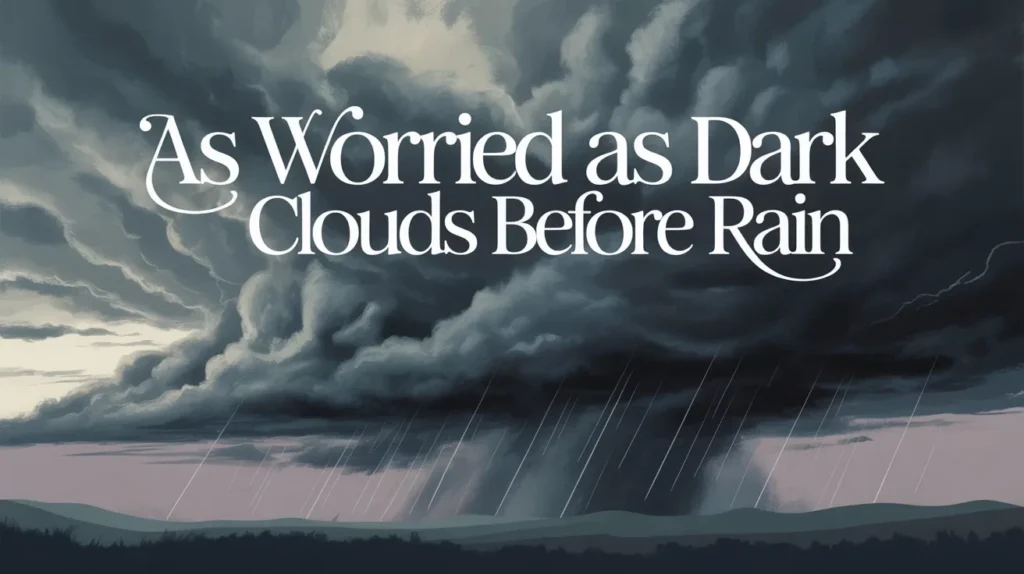
3. As Worried as Dark Clouds Before Rain
Meaning:
Suggests a feeling of heavy tension building inside.
Usage Insight:
Works well when showing emotional pressure before an important event.
Examples:
- Her thoughts gathered like dark clouds before rain.
- He carried his concerns as heavily as a sky preparing for a storm.
4. Like Waves Crashing Against the Shore
Meaning:
Represents repeated anxious thoughts.
Usage Insight:
Great for describing overthinking or constant worry.
Examples:
- Doubts returned like waves crashing endlessly against the shore.
- His fears rolled in again and again like restless tides.
5. As Worried as a Student Before an Exam
Meaning:
Common anxiety about performance or judgment.
Usage Insight:
Ideal for academic or achievement-related tension.
Examples:
- She felt as worried as a student before an important exam.
- He paced the hallway like someone awaiting final results.
6. Like a Bird Trapped in a Cage
Meaning:
Represents feeling stuck and anxious.
Usage Insight:
Perfect for describing emotional confinement or pressure.
Examples:
- She felt like a bird trapped in a cage, desperate for answers.
- His thoughts fluttered wildly like wings against iron bars.
7. As Worried as Ice About to Crack
Meaning:
Suggests fragile stability and fear of collapse.
Usage Insight:
Strong for dramatic or suspenseful scenes.
Examples:
- The silence felt as worried as ice about to crack.
- She balanced her emotions like thin ice over deep water.
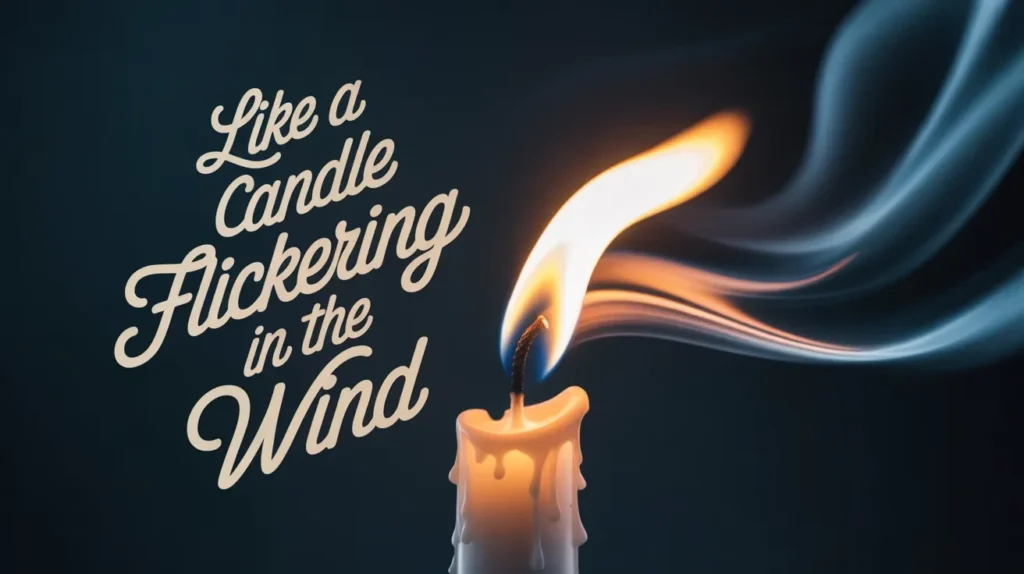
8. Like a Candle Flickering in the Wind
Meaning:
Represents fragile hope under stress.
Usage Insight:
Ideal for emotional writing and poetry.
Examples:
- His confidence flickered like a candle in the wind.
- She held onto hope like a flame fighting the breeze.
9. As Worried as a Traveler Lost in the Forest
Meaning:
Symbolizes confusion and fear of the unknown.
Usage Insight:
Perfect for describing uncertainty about the future.
Examples:
- He felt as worried as a traveler lost in the forest at night.
- Her mind wandered like someone searching for a path in darkness.
10. Like Sand Slipping Through Fingers
Meaning:
Represents loss of control.
Usage Insight:
Great for describing situations where time or opportunity is running out.
Examples:
- Time slipped away like sand through his fingers, increasing his worry.
- She watched her plans fade like grains falling from her hand.
11. As Worried as a Tree in a Storm
Meaning:
Symbolizes vulnerability during pressure.
Usage Insight:
Nature similes like this are powerful in figurative language examples.
Examples:
- She stood as worried as a tree bending in a violent storm.
- His voice trembled like branches struggling against wind.
12. Like a Clock Ticking Too Loud
Meaning:
Represents rising anxiety as time passes.
Usage Insight:
Ideal for suspenseful writing.
Examples:
- The deadline approached like a clock ticking too loud in silence.
- His heartbeat echoed like seconds passing too quickly.
13. As Worried as a Parent Waiting for News
Meaning:
Deep emotional concern for someone’s well-being.
Usage Insight:
Best for personal and heartfelt narratives.
Examples:
- She waited as worried as a parent awaiting a late-night call.
- His concern grew like quiet prayers whispered in the dark.
14. Like Shadows Growing at Dusk
Meaning:
Represents creeping fear and uncertainty.
Usage Insight:
Effective for poetic or descriptive passages.
Examples:
- His doubts stretched like shadows growing at dusk.
- Anxiety spread slowly like darkness across the evening sky.
15. As Worried as a Bridge Over a Rising River
Meaning:
Symbolizes stress under increasing pressure.
Usage Insight:
Perfect for describing emotional strain.
Examples:
- She felt as worried as a bridge over a rising river.
- His patience strained like beams holding against floodwaters.
How to Use Similes Effectively in Writing
Using the best similes for worried can transform simple sentences into vivid descriptions. Here are practical tips:
1. Choose Relatable Images
Select comparisons that readers instantly understand.
2. Match the Tone
Serious anxiety calls for powerful imagery, while mild worry may need softer comparisons.
3. Use Nature Similes for Emotional Depth
Storms, leaves, shadows, and rivers are powerful symbols of tension and growth.
4. Avoid Overuse
Too many similes can overwhelm readers. Use them strategically.
5. Adapt to Different Writing Styles
- Poetry: Use rich imagery and rhythm.
- Stories: Reveal internal emotions through comparisons.
- Essays: Use similes carefully to clarify points.
- Songs: Add emotional resonance with figurative language.
Similes in literature often highlight emotional conflict and character development, making stories more engaging and memorable.
FAQs
1. What are the best similes for worried?
The best similes for worried compare anxiety to storms, shaking leaves, ticking clocks, or dark clouds — images that clearly show tension.
2. What is the difference between a simile and a metaphor?
A simile uses “like” or “as,” while a metaphor directly states that one thing is another.
3. Why are nature similes effective for describing worry?
Nature provides strong visual symbols of tension, instability, and growth, making emotional descriptions more vivid.
4. Can similes be used in academic writing?
Yes, but they should clarify ideas rather than distract from the topic.
5. How do similes improve writing?
Similes turn abstract emotions into visual images, making writing clearer and more memorable.
Conclusion
The best similes for worried help writers express anxiety with clarity and emotional depth. Instead of simply stating that someone feels nervous, you can show it through trembling leaves, rising storms, or flickering candles. These figurative language examples add imagery and power to your sentences. Just as trees bend but do not break in strong winds, thoughtful similes strengthen your writing while revealing human emotion. Whether you are writing poetry, fiction, essays, or songs, meaningful comparisons make your words more vivid and relatable. When used wisely, similes transform simple descriptions into unforgettable images that stay with the reader long after the page is turned.
