

Language becomes magical when it paints pictures in the mind. One of the most powerful tools for creating those pictures is the simile. Similes help us compare one thing to another in a way that feels fresh, vivid, and meaningful.
They make writing brighter, clearer, and more emotional. When we describe something as perfect, we often struggle to find the right words. That is where brilliant similes for perfect can truly shine. They turn simple descriptions into powerful figurative language examples that stay with the reader. Just as trees stand tall through storms, growing stronger with time, similes add strength and depth to our words.
Trees symbolize resilience, wisdom, growth, and quiet beauty—qualities we often connect with perfection itself. In the same way a strong tree reaches toward the sky, a well-crafted simile lifts ordinary writing into something extraordinary.
What Is a Simile?
A simile is a figure of speech that compares two different things using the words “like” or “as.” It helps readers understand an idea more clearly by connecting it to something familiar.
Example: Her smile was as warm as the morning sun.
This comparison helps us feel the warmth and brightness of her smile by linking it to sunshine. That is the power of similes in literature and everyday writing—they create strong, memorable comparisons.
As Perfect as a Tree Standing Tall Against the Storm
Meaning:
This simile suggests strength, resilience, and unwavering stability.
Usage Insight:
Use this when describing someone or something that remains flawless despite challenges.
Examples:
- His leadership was as perfect as a tree standing tall against the storm.
- The final performance felt as perfect as a tree standing tall against the storm, calm and unshaken.
As Perfect as Morning Dew on Fresh Leaves
Meaning:
Represents freshness, purity, and delicate beauty.
Usage Insight:
Works well in romantic writing or nature similes where purity and gentle perfection matter.
Examples:
- Her voice was as perfect as morning dew on fresh leaves.
- The newborn’s tiny fingers looked as perfect as morning dew resting on spring grass.
As Perfect as a Cloudless Summer Sky
Meaning:
Symbolizes flawless clarity and calm.
Usage Insight:
Ideal for describing peaceful moments, clear decisions, or smooth experiences.
Examples:
- The plan unfolded as perfect as a cloudless summer sky.
- Their wedding day was as perfect as a cloudless summer sky.
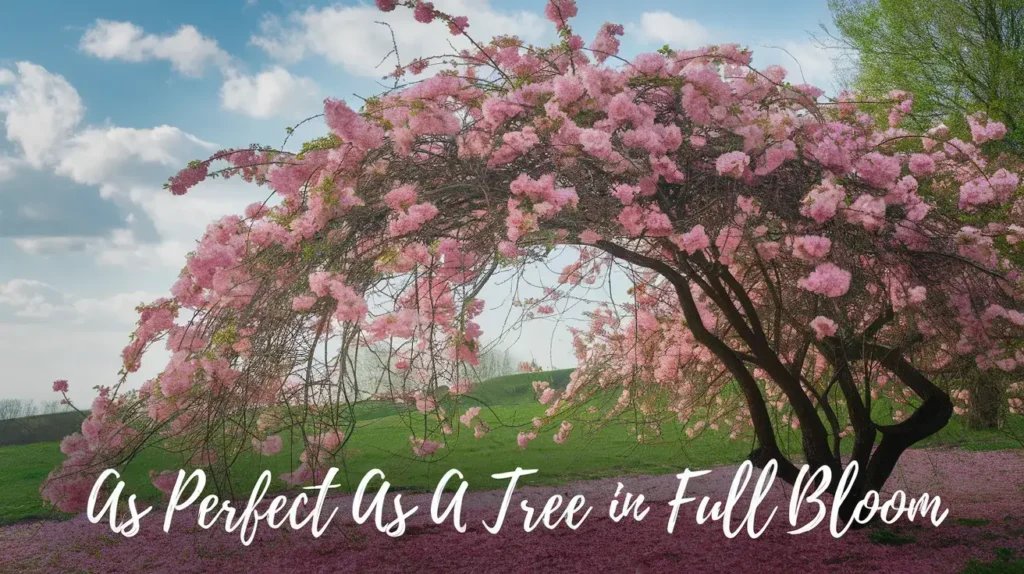
As Perfect as a Tree in Full Bloom
Meaning:
Shows beauty at its peak and complete growth.
Usage Insight:
Use when describing achievements or personal growth reaching their highest point.
Examples:
- Her confidence stood as perfect as a tree in full bloom.
- The garden looked as perfect as a tree in full bloom during spring.
As Perfect as the First Light of Dawn
Meaning:
Represents hope, renewal, and gentle brilliance.
Usage Insight:
Works beautifully in inspirational or reflective writing.
Examples:
- His idea felt as perfect as the first light of dawn.
- The new beginning seemed as perfect as the first glow of sunrise.
As Perfect as Leaves Turning Gold in Autumn
Meaning:
Suggests natural beauty and graceful change.
Usage Insight:
Use when describing maturity, transformation, or emotional depth.
Examples:
- Her wisdom was as perfect as leaves turning gold in autumn.
- The farewell felt as perfect as autumn leaves drifting softly to the ground.
As Perfect as a Calm Forest After Rain
Meaning:
Represents peaceful balance and refreshing harmony.
Usage Insight:
Effective in poetic writing or emotional storytelling.
Examples:
- Their friendship was as perfect as a calm forest after rain.
- The solution arrived as perfect as a quiet forest washed by rain.
As Perfect as a Star in the Midnight Sky
Meaning:
Suggests brilliance and rare beauty.
Usage Insight:
Ideal for describing talent, love, or outstanding achievement.
Examples:
- Her performance shone as perfect as a star in the midnight sky.
- The diamond sparkled as perfect as a star in deep darkness.
As Perfect as Roots Anchored Deep in the Earth

Meaning:
Symbolizes stability and strong foundation.
Usage Insight:
Use when highlighting reliability, trust, or lasting relationships.
Examples:
- Their bond felt as perfect as roots anchored deep in the earth.
- His values stood as perfect as roots holding firm in rich soil.
As Perfect as a River Flowing Without Obstacle
Meaning:
Represents smoothness and effortless movement.
Usage Insight:
Best for describing processes, performances, or conversations that flow naturally.
Examples:
- The presentation moved as perfect as a river flowing without obstacle.
- Their conversation was as perfect as a gentle stream gliding through the valley.
As Perfect as Sunlight Through Tall Branches
Meaning:
Suggests warmth mixed with gentle beauty.
Usage Insight:
Great for romantic or descriptive passages.
Examples:
- Her laughter felt as perfect as sunlight through tall branches.
- The moment glowed as perfect as golden rays through trees.
As Perfect as a Tree Ring Telling Its Story
Meaning:
Represents wisdom shaped by time.
Usage Insight:
Use when describing character depth or life experience.
Examples:
- His advice was as perfect as a tree ring telling its story.
- Her calm strength seemed as perfect as the history carved into ancient wood.
As Perfect as Spring Blossoms After Winter
Meaning:
Symbolizes renewal and joyful return.
Usage Insight:
Effective in emotional or motivational writing.
Examples:
- Their reunion felt as perfect as spring blossoms after winter.
- The success tasted as perfect as flowers blooming after frost.
As Perfect as a Well-Tended Garden

Meaning:
Shows careful effort and balanced beauty.
Usage Insight:
Use when describing something shaped by patience and dedication.
Examples:
- The project came together as perfect as a well-tended garden.
- Her skills developed as perfect as flowers nurtured with care.
As Perfect as the Silent Strength of an Oak
Meaning:
Represents quiet power and dignity.
Usage Insight:
Ideal for describing dependable individuals or solid achievements.
Examples:
- His character stood as perfect as the silent strength of an oak.
- The design felt as perfect as an oak rooted firmly in open land.
As Perfect as Raindrops on Emerald Leaves
Meaning:
Suggests delicate balance and natural harmony.
Usage Insight:
Perfect for poetic imagery and creative descriptions.
Examples:
- Her handwriting looked as perfect as raindrops on emerald leaves.
- The final note lingered as perfect as rain resting softly on green leaves.
How to Use Similes Effectively in Writing
Using brilliant similes for perfect can transform ordinary writing into something memorable. Here are practical tips for different types of writing:
1. In Poems
Choose nature similes to create emotional depth. Keep comparisons simple and meaningful.
2. In Stories
Use similes to reveal character personality and mood. Avoid overusing them in one paragraph.
3. In Essays
Use similes carefully to clarify complex ideas. They should support your argument, not distract from it.
4. In Songs
Focus on emotional comparisons that connect strongly with listeners.
5. In Descriptions
Choose familiar images. The best figurative language examples are easy to visualize.
General Tip: Always ask yourself: Does this simile make the idea clearer and stronger? If yes, keep it. If not, refine it.
FAQs
1. What are brilliant similes for perfect?
They are creative comparisons using “like” or “as” to describe something flawless, beautiful, or complete in a vivid way.
2. What is the difference between a simile and a metaphor?
A simile uses “like” or “as” to compare two things. A metaphor directly states that one thing is another without those words.
3. Why are similes important in literature?
Similes in literature create imagery, emotion, and clarity. They help readers connect deeply with the text.
4. Can similes be used in academic writing?
Yes, but carefully. They should clarify ideas rather than make the writing overly poetic.
5. How can I create original similes?
Observe nature, emotions, and daily life. Then connect a feeling or quality to something readers can easily imagine.
Conclusion
Brilliant similes for perfect bring language to life. They turn plain descriptions into vivid images filled with emotion and clarity. Like trees rooted deeply in the earth, strong similes give writing stability and strength. They help readers see, feel, and understand ideas in a powerful way. Whether you are writing poetry, storytelling, essays, or songs, these comparisons add beauty and meaning. When used thoughtfully, similes become bridges between imagination and understanding. They enrich figurative language, strengthen communication, and create lasting impressions. Master them, and your words will stand as tall and timeless as a mighty tree.
