

Words shape meaning, and even small spelling differences can change how clearly we communicate. Many writers search for clarity when comparing eventhough vs even though, especially in essays, emails, and creative writing. Understanding the difference between these two forms helps you write with confidence and accuracy.
At the same time, strong writing also depends on expressive tools like similes. Similes allow us to compare ideas using “like” or “as,” making language more vivid and easier to understand. In figurative language, similes turn abstract thoughts into images readers can see and feel. Writers often compare emotions or challenges to trees because trees symbolize strength, growth, resilience, wisdom, and human emotion.
Just as a tree bends in strong wind but does not break, clear grammar and thoughtful comparisons help writing stand firm and meaningful. In this guide, you will not only understand the difference between eventhough and even though, but also discover powerful similes and figurative language examples to strengthen your writing.
Eventhough vs Even Though: What Is the Difference?
The correct form is “even though.” It is a conjunction used to show contrast between two ideas.
The word “eventhough” (written as one word) is incorrect in standard English grammar.
Correct Example:
- Even though it was raining, we went for a walk.
Here, “even though” introduces a contrast between rain and walking.
Incorrect Example:
- ❌ Eventhough it was raining, we went for a walk.
Always write it as two separate words: even though.
Now that we understand the grammar difference, let’s explore how similes can enrich sentences that use contrast and comparison.
What Is a Simile?
A simile is a figure of speech that compares two different things using the words “like” or “as.” It helps make descriptions clearer and more expressive.
Example:
She stood firm like a tree in a storm.
This comparison instantly creates a strong mental image. Similes are widely used in literature, speeches, poetry, and everyday writing because they make ideas more memorable.
15 Powerful Similes to Strengthen Your Writing
Below are 15 original similes. Each includes meaning, usage insight, and polished example sentences to help you write naturally and effectively.
1. As Steady as a Tree in Autumn Wind
Meaning:
Calm and resilient despite pressure.
Usage Insight:
Ideal for describing someone who remains calm even though challenges surround them.
Examples:
- Even though the criticism was harsh, she remained as steady as a tree in autumn wind.
- He listened quietly, as steady as branches swaying but never breaking.
2. Like Light Breaking Through Clouds

Meaning:
Hope appearing despite difficulty.
Usage Insight:
Works beautifully when showing contrast after struggle.
Examples:
- Even though the meeting was tense, her smile was like light breaking through clouds.
- His encouragement felt like sunshine after days of rain.
3. As Strong as Roots Beneath the Soil
Meaning:
Hidden but powerful strength.
Usage Insight:
Perfect for emotional resilience.
Examples:
- Even though she faced rejection, her confidence was as strong as roots beneath the soil.
- His patience ran deep like unseen roots holding firm.
4. Like Waves Returning to Shore
Meaning:
Persistence despite setbacks.
Usage Insight:
Use when showing repeated effort.
Examples:
- Even though he failed once, he returned like waves reaching the shore.
- Her determination rolled forward like the ocean tide.
5. As Bright as Morning After Rain
Meaning:
Fresh positivity following difficulty.
Usage Insight:
Great for hopeful storytelling.
Examples:
- Even though the journey was long, their success felt as bright as morning after rain.
- She smiled, glowing like sunrise over washed fields.
6. Like a Candle in the Dark
Meaning:
Small but meaningful hope.
Usage Insight:
Effective for emotional or reflective writing.
Examples:
- Even though the room felt heavy with silence, his voice was like a candle in the dark.
- Her kindness flickered gently like a steady flame.
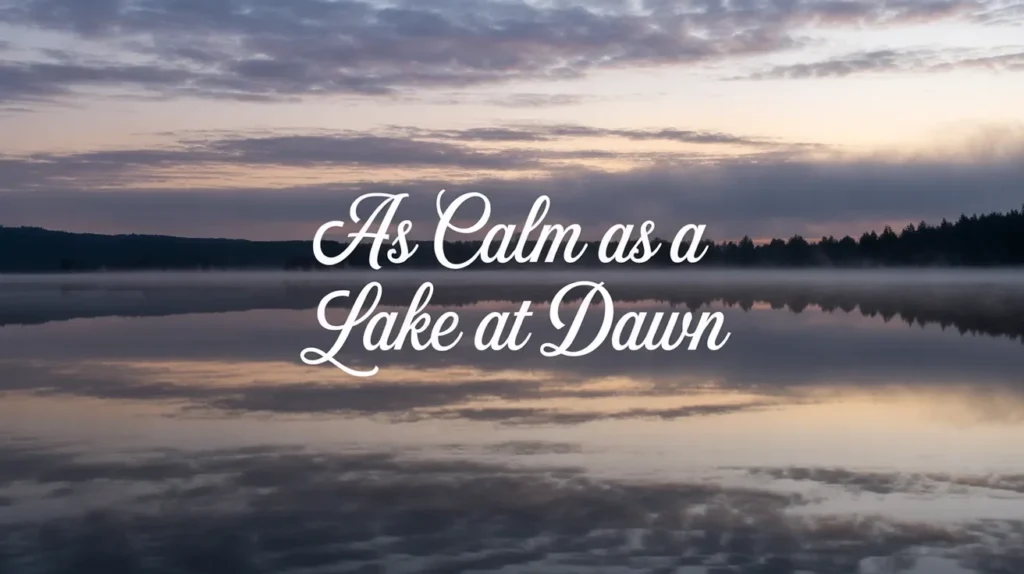
7. As Calm as a Lake at Dawn
Meaning:
Peaceful stability despite pressure.
Usage Insight:
Ideal for describing quiet confidence.
Examples:
- Even though chaos filled the office, she remained as calm as a lake at dawn.
- His tone was smooth like still water under morning light.
8. Like a Bridge Over Rough Water
Meaning:
Support during difficult times.
Usage Insight:
Works well for relationships and teamwork.
Examples:
- Even though problems surrounded them, their friendship stood like a bridge over rough water.
- He offered help like solid beams holding firm.
9. As Unshaken as a Mountain Peak
Meaning:
Strong and immovable.
Usage Insight:
Perfect for firm beliefs or courage.
Examples:
- Even though others doubted her, she remained as unshaken as a mountain peak.
- His loyalty stood tall like stone cliffs against wind.
10. Like Rain Nourishing Dry Earth
Meaning:
Growth after hardship.
Usage Insight:
Ideal for transformation narratives.
Examples:
- Even though the criticism stung, it shaped him like rain nourishing dry earth.
- Her struggles strengthened her like storms feeding roots.
11. As Gentle as Falling Leaves
Meaning:
Soft and graceful resilience.
Usage Insight:
Works well in poetic writing.
Examples:
- Even though she felt hurt, she responded as gentle as falling leaves.
- His apology drifted softly like autumn leaves to the ground.
12. Like Stars Guiding the Night
Meaning:
Guidance during darkness.
Usage Insight:
Strong for inspirational writing.
Examples:
- Even though times were uncertain, her advice shone like stars guiding the night.
- His wisdom sparkled like distant lights in darkness.
13. As Patient as the Changing Seasons
Meaning:
Steady endurance over time.
Usage Insight:
Ideal for growth-focused writing.
Examples:
- Even though progress was slow, she remained as patient as the changing seasons.
- He waited calmly like winter turning gradually into spring.
14. Like Wind Carrying Seeds

Meaning:
Quiet influence despite obstacles.
Usage Insight:
Great for describing subtle impact.
Examples:
- Even though she spoke softly, her ideas spread like wind carrying seeds.
- His words traveled gently like breezes across open fields.
15. As Clear as the Sky After a Storm
Meaning:
Clarity following confusion.
Usage Insight:
Perfect for resolutions and realizations.
Examples:
- Even though the argument was intense, their understanding became as clear as the sky after a storm.
- His thoughts settled like clouds drifting away.
How to Use Similes Effectively in Writing
To enhance clarity while understanding eventhough vs even though, combine correct grammar with expressive comparisons.
1. Use Similes to Strengthen Contrast
When using “even though,” pair it with vivid imagery to highlight contrast.
2. Keep Comparisons Natural
Choose images that feel authentic and relatable.
3. Avoid Overuse
Too many similes weaken impact. Use them strategically.
4. Adapt to Different Forms
- Poetry: Emphasize rhythm and imagery.
- Stories: Reveal emotion through comparisons.
- Essays: Use similes carefully to clarify ideas.
- Songs: Create emotional depth through figurative language.
Similes in literature often emphasize resilience and contrast — just like “even though” highlights opposing ideas.
FAQs
1. Is “eventhough” correct?
No, “eventhough” is incorrect. The correct form is “even though.”
2. What does “even though” mean?
It introduces contrast between two ideas in a sentence.
3. What is the difference between a simile and a metaphor?
A simile uses “like” or “as.” A metaphor directly states one thing is another.
4. Can similes be used in academic writing?
Yes, but they should clarify ideas rather than distract from the main argument.
5. Why are nature similes effective?
Nature provides universal images that clearly represent growth, struggle, and resilience.
Conclusion
Understanding eventhough vs even though strengthens your grammar and builds confidence in writing. When you combine correct usage with expressive similes, your sentences become both accurate and memorable. Similes add clarity, imagery, and emotional depth to language. They transform simple statements into vivid comparisons that readers can see and feel. Like trees growing stronger through seasons, strong writing grows through clarity and creativity. Even though grammar rules may seem small, mastering them creates a powerful foundation. And when you add thoughtful figurative language, your writing stands tall, steady, and unforgettable.
