
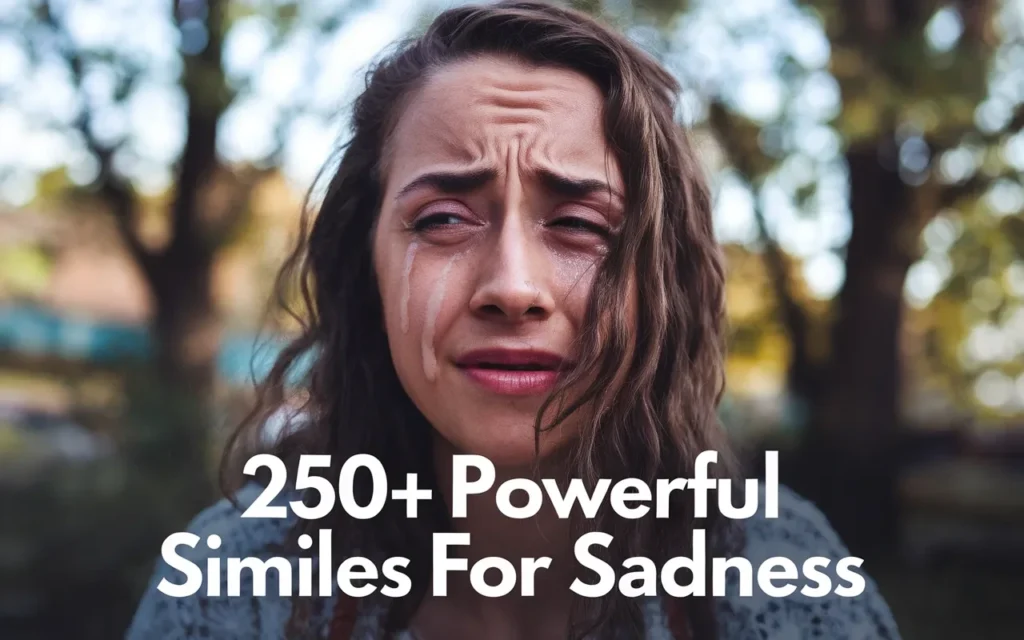
Words can carry weight, especially when they express emotions as complex as sadness. One of the most effective ways to describe deep feelings is through similes. Similes are comparisons that use “like” or “as” to connect two different things in a meaningful way.
They are important in figurative language because they help readers see and feel emotions rather than just read about them. When sadness feels too heavy to explain directly, a strong comparison can make it clear and relatable. Nature often provides the best inspiration for emotional imagery.
Trees, for example, are powerful symbols of strength, growth, resilience, wisdom, and human emotion. They bend in storms, lose their leaves, and stand through harsh winters, yet they continue to grow. In the same way, sadness is part of the human experience, shaping us quietly but deeply.
In this complete guide, you will discover powerful similes for sadness, along with meanings, usage tips, and natural examples. These figurative language examples will help you add emotional depth and vivid imagery to your writing.
What Is a Simile?
A simile is a figure of speech that compares two unlike things using the words like or as to highlight a shared quality.
Example:
Her heart felt as heavy as a stone.
This simple comparison makes the emotion of sadness easier to imagine. Instead of just saying she was sad, the simile shows how heavy that sadness feels. Similes in literature are powerful tools because they turn abstract emotions into concrete images.
As Sad as a Tree Without Leaves
Meaning:
Feeling empty, stripped, or emotionally exposed.
Usage Insight:
A strong nature simile that works beautifully in reflective or poetic writing.
Examples:
- After the farewell, he stood as sad as a tree without leaves in winter.
- She felt as sad as a tree without leaves, bare against the cold wind.
As Heavy as a Rain-Soaked Cloak
Meaning:
Carrying emotional weight that feels overwhelming.
Usage Insight:
Ideal for describing grief or long-lasting sorrow.
Examples:
- His disappointment clung to him as heavy as a rain-soaked cloak.
- The silence between them hung as heavy as a rain-soaked cloak.
As Quiet as a Closed Library
Meaning:
Deep, thoughtful, and silent sadness.
Usage Insight:
Perfect for calm, reflective scenes.
Examples:
- The house felt as quiet as a closed library after she left.
- His grief was as quiet as a closed library at midnight.
As Cold as Frost on Glass

Meaning:
Emotionally distant or numb with sadness.
Usage Insight:
Works well when describing shock or heartbreak.
Examples:
- Her voice turned as cold as frost on glass.
- His expression became as cold as frost on glass after the news.
As Gray as Ashes After a Fire
Meaning:
A feeling of loss after something intense has ended.
Usage Insight:
Strong for dramatic or emotional storytelling.
Examples:
- The celebration ended, leaving her as gray as ashes after a fire.
- His dreams felt as gray as ashes after a fire burned out.
As Lonely as a Single Star in the Sky
Meaning:
Feeling isolated despite being surrounded by others.
Usage Insight:
Effective in romantic or emotional narratives.
Examples:
- She felt as lonely as a single star in the sky.
- In the crowded room, he stood as lonely as a single star in the sky.
As Fragile as Thin Ice
Meaning:
Emotionally delicate and easily hurt.
Usage Insight:
Ideal for character development in fiction.
Examples:
- Her heart was as fragile as thin ice after the betrayal.
- He moved through the conversation as fragile as thin ice.
As Dark as a Storm Before Dawn
Meaning:
Intense sadness that feels endless.
Usage Insight:
Best for dramatic emotional scenes.
Examples:
- His thoughts grew as dark as a storm before dawn.
- The future looked as dark as a storm before dawn.
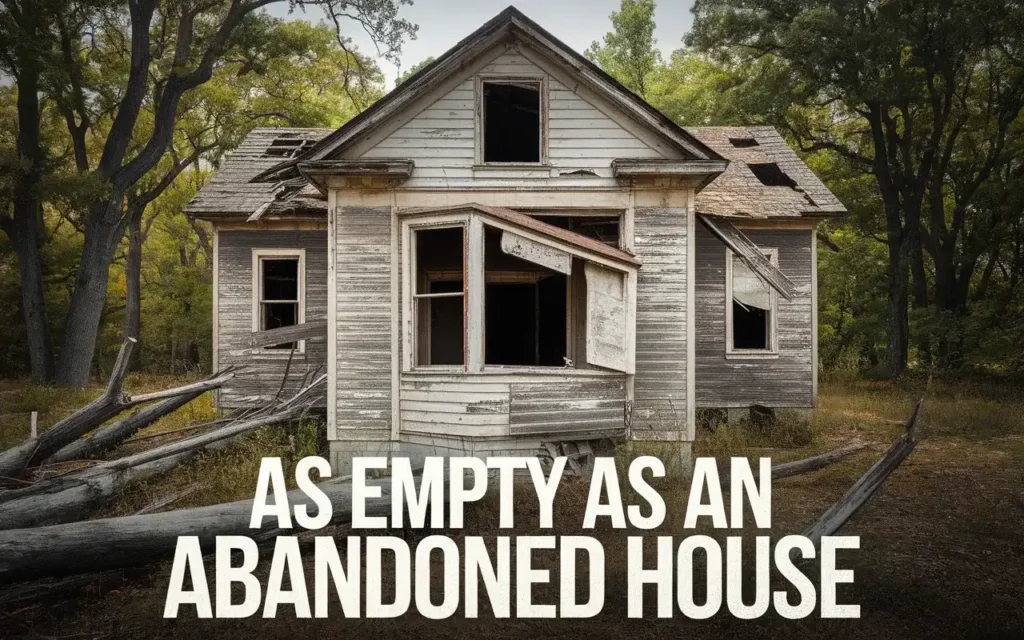
As Empty as an Abandoned House
Meaning:
Deep sense of loneliness or loss.
Usage Insight:
Powerful in family or relationship themes.
Examples:
- The home felt as empty as an abandoned house after the children moved away.
- Her laughter was gone, leaving her as empty as an abandoned house.
As Slow as Falling Snow
Meaning:
Sadness that lingers gently but persistently.
Usage Insight:
Works beautifully in poetic or reflective writing.
Examples:
- Time moved as slow as falling snow during his grief.
- Her tears slipped down as slow as falling snow.
As Faded as an Old Photograph
Meaning:
Sadness connected to memories or nostalgia.
Usage Insight:
Perfect for reflective storytelling.
Examples:
- Their friendship felt as faded as an old photograph.
- His smile looked as faded as an old photograph tucked away in a drawer.
As Still as a Sleeping Lake
Meaning:
Calm but deep sadness beneath the surface.
Usage Insight:
Great for subtle emotional scenes.
Examples:
- She sat as still as a sleeping lake at dusk.
- His sorrow remained as still as a sleeping lake.
As Lost as a Feather in the Wind
Meaning:
Feeling directionless or confused because of sadness.
Usage Insight:
Ideal for describing emotional uncertainty.
Examples:
- After the breakup, she felt as lost as a feather in the wind.
- He wandered the streets, as lost as a feather in the wind.
As Hollow as a Broken Drum

Meaning:
Feeling empty inside.
Usage Insight:
Effective for strong emotional moments.
Examples:
- His laughter sounded as hollow as a broken drum.
- She felt as hollow as a broken drum after the argument.
As Dim as a Candle in the Rain
Meaning:
Hope fading under emotional pressure.
Usage Insight:
Powerful for expressing quiet despair.
Examples:
- Her hope flickered as dim as a candle in the rain.
- His spirit seemed as dim as a candle in the rain.
How to Use Similes Effectively in Writing
Using powerful similes for sadness can transform your writing into something emotionally rich and memorable. Here are practical tips:
1. Choose Relatable Comparisons
Readers connect more easily when the comparison is familiar, such as nature similes.
2. Match the Mood
Ensure your simile fits the emotional tone of the scene.
3. Keep It Clear and Simple
Overly complex comparisons can confuse readers.
4. Avoid Overuse
Too many similes in one paragraph can weaken their impact.
5. Adapt to Different Writing Forms
- Poems: Focus on rhythm and imagery.
- Stories: Use similes to reveal character emotions.
- Essays: Add sparingly for emphasis.
- Songs: Choose emotional and symbolic comparisons.
FAQs
1. What are powerful similes for sadness?
They are comparisons that use “like” or “as” to describe sadness vividly, such as as dark as a storm before dawn.
2. What is the difference between a simile and a metaphor?
A simile uses “like” or “as,” while a metaphor directly states that one thing is another.
3. Why are nature similes effective for sadness?
Nature reflects human emotions. Storms, winter trees, and fading light symbolize sorrow and growth.
4. Can similes be used in academic writing?
Yes, but they should be clear and used sparingly to maintain a professional tone.
5. How can I create my own similes for sadness?
Think about how sadness feels—heavy, dark, slow—and compare it to something with similar qualities.
Conclusion
Powerful similes for sadness help writers express deep emotions with clarity and beauty. They turn abstract feelings into vivid images that readers can see and understand. Like trees that endure winter and bloom again in spring, sadness is part of growth and resilience. Through thoughtful comparisons, you can give voice to emotions that are otherwise difficult to explain. Whether you are writing poetry, fiction, essays, or songs, meaningful similes in literature add depth, imagery, and emotional power to your words. Write with honesty, choose your comparisons carefully, and allow your language to reflect both sorrow and strength.
